
What to Eat in Brazil
What should you eat in Brazil? Our journeys through Rio de Janeiro and São Paulo brought us warm pão de queijo, crisp coxinhas, açaí bowls, substantial sandwiches, charcoal-grilled chicken and a lively rodízio dinner. But the country’s food culture goes much further than the things we could fit into two cities.
This guide brings together 16 Brazilian foods and drinks. Where we actually ate them, we share our firsthand impressions and link to the restaurant. Other entries are dishes worth recognising on menus, and we clearly identify those rather than pretending to have tried everything. For actual addresses, start with our Rio de Janeiro food guide and São Paulo food guide.
16 Brazilian dishes, snacks and drinks
| Food or drink | Why try it? |
|---|---|
| Feijoada | black beans, meat and a full table |
| Churrasco and rodízio | a whole way of eating |
| Pão de queijo | São Paulo’s little cheese-bread break |
| Coxinha | crisp outside, chicken inside |
| Acarajé | a Bahia speciality |
| Moqueca | the seafood-stew alternative |
| Pastel | a thin, filled, crisp snack |
| Brigadeiro | a little chocolate sweet |
| Açaí na tigela | a bowl for a hot day |
| Biscoito Globo | an edible piece of Rio’s beach culture |
| Guaraná | Brazilian soft-drink culture |
| Caipirinha | lime, cachaça and sugar |
| Cerveja gelada | the beer should be cold |
| Cafezinho | a small coffee in a fast-moving city |
| Lanches | Brazil’s generous sandwich tradition |
| Cuscuz de tapioca | coconut and condensed milk |
Feijoada — black beans, meat and a full table
Feijoada is a slow-cooked Brazilian bean-and-meat dish, commonly served with rice, farofa and orange. Pork and sausages often feature in the best-known black-bean version, so check ingredients before ordering. Its dark appearance is only the start of the experience: the sides add texture and contrast. Read our feijoada guide for the components and accompaniments. This is a dish explanation, not a claim that we reviewed a particular feijoada restaurant.
Churrasco and rodízio — a whole way of eating
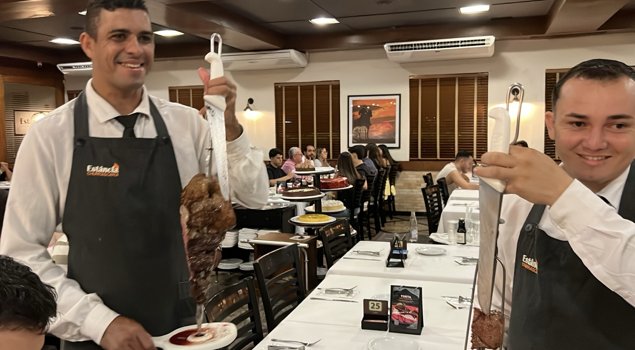
Churrasco is a larger food tradition than a single steak. In a rodízio restaurant, servers bring skewers to the table and slice the meat onto your plate, with green and red cards signalling whether you want more. At Estância Catumbi in São Paulo, we experienced the rhythm firsthand. Garlic picanha was our favourite cut, though other pieces were sometimes tougher than expected.
Pão de queijo — São Paulo’s little cheese-bread break
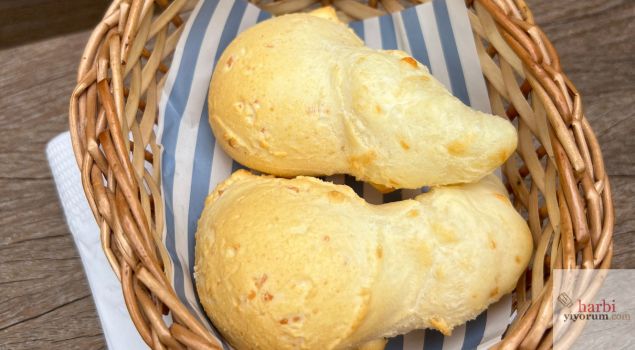
Made with cassava-derived starch and cheese, pão de queijo has a springy centre unlike a regular wheat roll. We tried it warm at Pão de Queijo Haddock Lobo in São Paulo. It was a short snack stop, but a memorable one; the small shop and limited seating were better suited to grabbing a bite than staying for a long meal. See our São Paulo guide for the address and the rest of that day’s food stops.
Coxinha — crisp outside, chicken inside
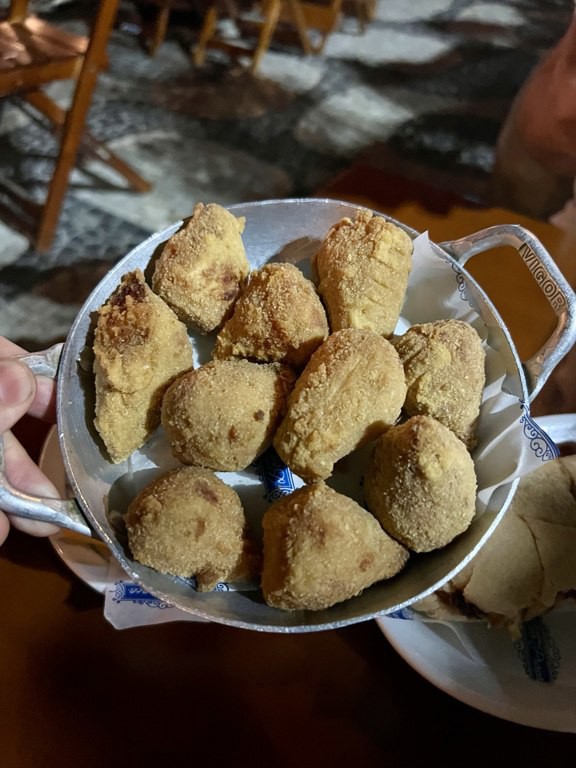
Coxinha became one of our favourite Brazilian snacks. The classic version is a breadcrumb-coated fried parcel, often shaped like a teardrop and filled with shredded chicken. At Fornalha in Rio we tried a large one; at Boa Praça Ipanema we shared a basket of mini chicken-and-cheese versions. That contrast is worth remembering when ordering. Our coxinha explainer covers the dough, filling and differences between versions.
Acarajé — a Bahia speciality
Acarajé is associated with Afro-Brazilian food culture, especially Bahia. It uses fried bean-based dough and can be split and filled with savoury accompaniments including shrimp preparations. For a traveller focused on regional cooking, this is a name to recognise beyond the steak-and-sandwich staples. We do not have a documented firsthand acarajé tasting, so this entry is cultural background rather than a stall recommendation.
Moqueca — the seafood-stew alternative
Moqueca is a Brazilian seafood stew with regional variations; coconut milk and dendê palm oil are associated particularly with Bahian preparations. The aromatic sauce makes it an appealing alternative when you have eaten enough grilled meat. Ask what fish or seafood goes into the pot and how the kitchen prepares it. We have not attached a personal restaurant verdict to this dish.
Pastel — a thin, filled, crisp snack
A pastel is a thin, deep-fried pastry whose filling can range from cheese to meat or seafood. It is commonly associated with casual snack stops and markets, sometimes paired with fresh sugarcane juice. We encountered pastel sellers while travelling in Rio and São Paulo; the format is useful to know when exploring a market. The sighting alone should not be mistaken for a documented tasting review.
Brigadeiro — a little chocolate sweet
Brigadeiro is a rich chocolate confection typically sold in small portions. We set out to try it at Rio’s historic Confeitaria Colombo, but changed our order and ate pão de mel instead. That memorable visit belongs to our Rio travel notes; it would be misleading to present it as our brigadeiro tasting. If you see a brigadeiro counter elsewhere, you will at least know what the name means.
Açaí na tigela — a bowl for a hot day
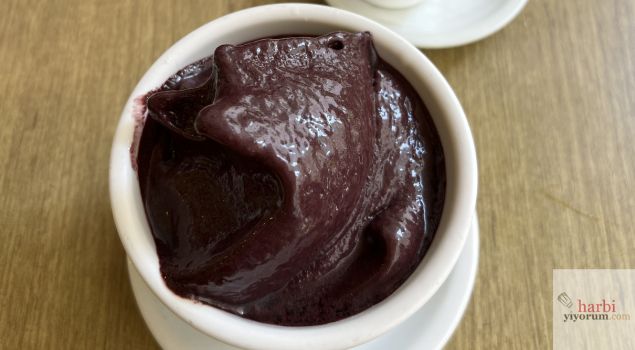
Our favourite açaí bowl on this trip was a medium serving with banana and strawberries at Bibi Sucos in Copacabana. It was thick enough to eat with a spoon, and we preferred it to the other versions we tried across Rio and São Paulo. Toppings and sweetness vary considerably, so the exact shop matters. The branch details and our observations are in the Rio food guide.
Biscoito Globo — an edible piece of Rio’s beach culture
Biscoito Globo is a light, airy, crunchy tapioca-based snack rather than an ordinary sweet biscuit. We encountered it on Rio’s beaches, where it is commonly paired with cold mate tea. We found the salty version especially interesting. It is a small detail of the city that can be more memorable than another elaborate restaurant plate.
Guaraná — Brazilian soft-drink culture
Guaraná is a carbonated soft drink with a lightly fruity character of its own. We had it alongside our beef sandwich at Cervantes in Copacabana. If you are in a simple lunch place or sandwich bar, it can be a straightforward local alternative to the international brands. Read the Rio guide for the Cervantes visit, including our sandwich order.
Caipirinha — lime, cachaça and sugar
The Brazilian caipirinha combines cachaça with lime, sugar and ice. A good balance makes it tart and refreshing; a heavy hand with sugar changes the drink completely. We encountered caipirinha as part of São Paulo’s food-and-bar culture, including the wait outside Z Deli. Strength can vary, and it is an alcoholic cocktail rather than a harmless fruity refreshment.
Cerveja gelada — the beer should be cold
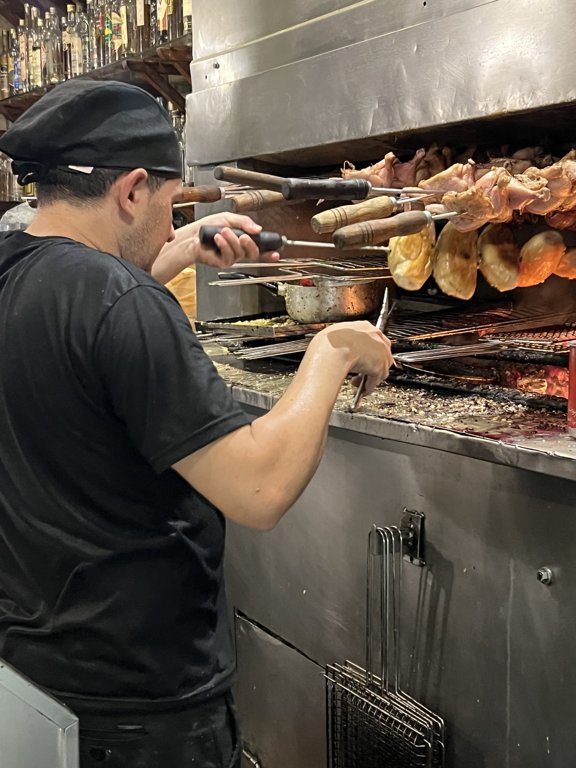
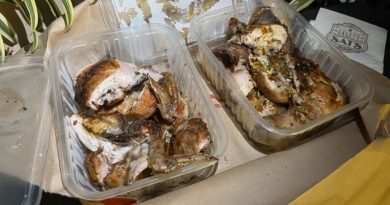
In Brazilian bars, gelada is an important word: beer is often served very cold. During our trip we shared Brahma beers with our take-away chicken outside Galeto Sat’s and tried local beers at Boa Praça. Large bottles for sharing and draught chopp are other formats you may see. This is a cultural observation, not a reason to over-order.
Cafezinho — a small coffee in a fast-moving city
At Café Gaúcho in central Rio, we drank cafezinho with a sausage sandwich and a bolinho de carne as customers continued moving through the counter area. A cafezinho is small, but it captures a familiar daily coffee ritual. For a glimpse of that pace, the Rio guide gives the visit details and the address.
Lanches — Brazil’s generous sandwich tradition
The sandwiches were one of our happiest surprises in Rio. We loved the combination of beef tenderloin, cheese and pineapple at Parada de Copa and Cervantes; the latter added caramelised onion. In São Paulo, Z Deli gave us a very different experience with wagyu pastrami and French Dip. These were real meals from our travels, and we describe the exact orders in our Rio and São Paulo guides.
Cuscuz de tapioca — coconut and condensed milk
We encountered a white, coconut-rich tapioca dessert at street stalls in Rio. Finished with condensed milk, it was cool, lightly chewy and enjoyable to eat. Look for the name cuscuz de tapioca when you see slices or portions of a chilled white dessert; it is not the same thing as savoury corn couscous. This was a genuine discovery from our time walking the city.
Where we ate in Rio and São Paulo
These two city guides are the best starting points if you want to follow our own food stops rather than a generic list of restaurants:
- Where to Eat in Rio de Janeiro — Café Gaúcho, Bibi Sucos, Parada de Copa, Cervantes, Galeto Sat’s and Boa Praça Ipanema.
- Where to Eat in São Paulo — Haddock Lobo, Z Deli, Muli, Ikemen Ramen and Churrascaria Estância Catumbi.
How to plan your food stops
Do not treat the 16 foods as a single-day checklist. Save snacks and açaí for breaks between outings, give larger sandwiches and rodízio their own meals, and check which branch you are heading to. Rio’s Centro, Copacabana and Ipanema are distinct areas; São Paulo’s food stops are spread out too. Always verify current prices, opening hours, ingredients and accessibility before visiting.
Frequently asked questions
What should I try first?
For a quick start, try warm pão de queijo or a coxinha. Follow it with açaí or a sandwich; book a more substantial meal for churrasco or a regional stew.
Is Brazilian food all about meat?
No. Our São Paulo rodízio dinner was meat-centred, but the wider food culture includes vegetable dishes, fruit, seafood, bean-based preparations and sweets. Ingredients vary, so ask the kitchen about meat, dairy, seafood and allergens.
Does this guide cover all Brazilian regions?
No. Its original travel experience comes chiefly from Rio and São Paulo. Some regional dishes, such as acarajé or particular moqueca styles, are included as cultural context rather than personal restaurant recommendations.
Editor’s note
Updated 1 November 2026. This English article adapts and expands our original Turkish Brazil food guide. Restaurant impressions and the photographs identified as firsthand are from our visits. Additional food explanations are clearly distinguished from meals we personally ordered. Menus and opening hours can change.
Support the campaign we run with UNICEF Türkiye. Helping children heal helps the world heal.



Pingback: Where to Eat in São Paulo: Our Food Guide
Pingback: Where to Eat in Rio de Janeiro: 6 Places We Tried
Pingback: What Is Coxinha? Brazil’s Chicken Snack Explained