
What to Eat in Hungary: A Hungarian Food Guide
What should you eat in Hungary? Start with gulyás, a paprika-seasoned soup with meat and vegetables; pörkölt, a thicker meat stew; chicken paprikash with nokedli; and lángos topped with garlic, sour cream and cheese. Leave room for a warm chimney cake, then explore the pastry counter and the paprika stalls.
That is the short answer. The more useful one starts with knowing what those names mean when you open a menu. Goulash is not necessarily the thick stew you know from home. Lángos is fried rather than baked. And all that red paprika does not mean every dish will be hot.
This Hungarian food guide brings together traditional dishes, desserts, market products and drinks, with our own Budapest meals woven through it. Our firsthand notes come from our September 2026 trip, originally documented on our Turkish sister publication, Harbiyiyorum. The wider food descriptions are a guide to what to look for; where we ate or tasted something ourselves, we say so.

Planning your meals in the capital? Our guide to where to eat in Budapest brings together nine places we visited, with what to order, photographs and addresses.
What to eat first: a quick Hungarian food shortlist
| If you want… | Look for… | What to expect |
|---|---|---|
| A classic soup | Gulyás / gulyásleves | Meat and vegetables in a paprika-seasoned broth |
| A substantial main course | Pörkölt with nokedli | Meat in a thick onion-and-paprika sauce, with small dumplings |
| A creamy chicken dish | Csirkepaprikás | Chicken in a paprika and sour cream sauce |
| Savory street food | Lángos | Fried dough with garlic, sour cream and grated cheese |
| A warm sweet snack | Kürtőskalács | Hollow chimney cake with a caramelized sugar crust |
| A café dessert | Dobos torta or rétes | Chocolate-and-caramel layer cake or Hungarian strudel |
| Something for the kitchen | Paprika | Sweet or hot pepper powder, or a pepper paste |
Jump to: soups and main dishes · street food · desserts · market finds · drinks · prices and ordering · FAQs
Hungarian soups and main dishes
1. Gulyás: Hungarian goulash soup
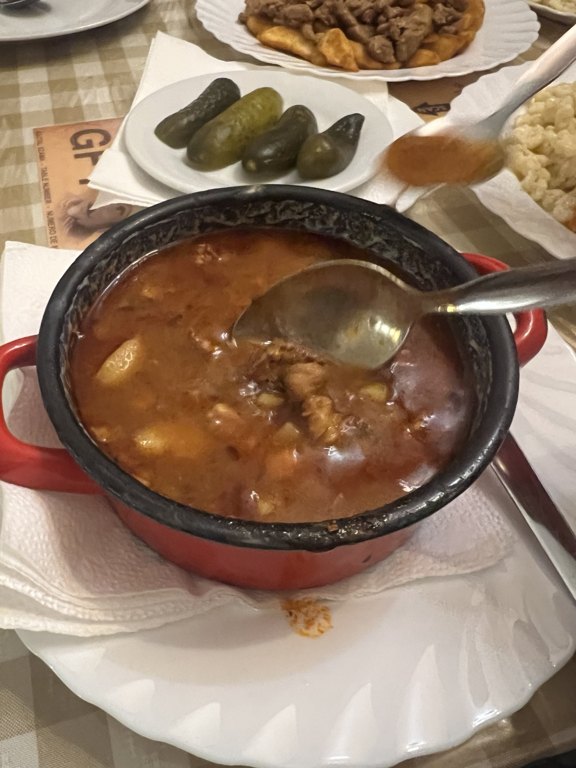
On a Hungarian menu, gulyásleves means goulash soup. Expect pieces of meat and vegetables in a paprika-seasoned broth, often with potatoes. Beef is a common choice, but recipes vary. This is a spoon-and-bowl dish, substantial enough that it deserves more thought than an automatic starter before a large main course.
At Frici Papa in Budapest, we shared a serving from a pot with two red handles. Meat and potato pieces were visible in the broth. We also ordered beef pörkölt at the same meal, which made the difference between the two dishes immediately clear.
Ordering tip: if you picture thick beef stew when you hear “goulash,” read the pörkölt section before deciding.
2. Pörkölt: meat in a thick paprika sauce
Pörkölt brings the onion, paprika and meat together in a much thicker sauce. The meat can vary, so the full menu description matters. Marhapörkölt is the beef version; at Frici Papa, ours was vörösboros marhapörkölt nokedlivel, beef stew with red wine, served with nokedli.
This was our favorite dish on that table. We liked the dark sauce and the garlic we could taste in it. If we went back for just one plate, this would be it.
Read our full Frici Papa Budapest review for everything we ordered, photographs, visit prices and practical details.
Nokedli are small, irregular dumplings. They give the sauce somewhere to go and make the side dish part of the reason to order the stew. Check whether they are included or need to be ordered separately.

3. Csirkepaprikás: chicken paprikash
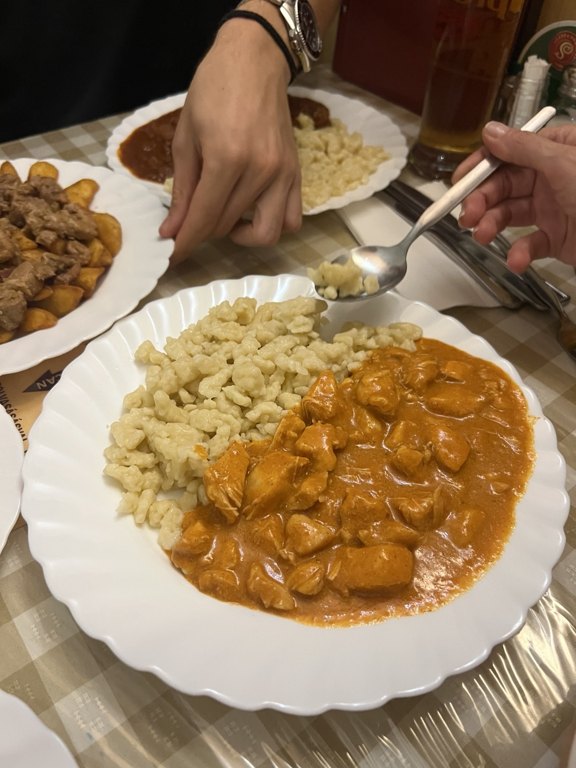
Chicken paprikash belongs to the same paprika-rich world, with sour cream giving the sauce a creamy texture and tang. You may see csirkepaprikás, paprikás csirke or “chicken paprikash” on a menu.
Our Frici Papa version used chicken breast and arrived in an orange-tinged, creamy sauce with nokedli. We enjoyed it, although the red-wine beef was the dish we kept talking about afterward. Choose this when you want the paprika-and-sour-cream combination at the center of the plate.
4. Halászlé: Hungarian fisherman’s soup
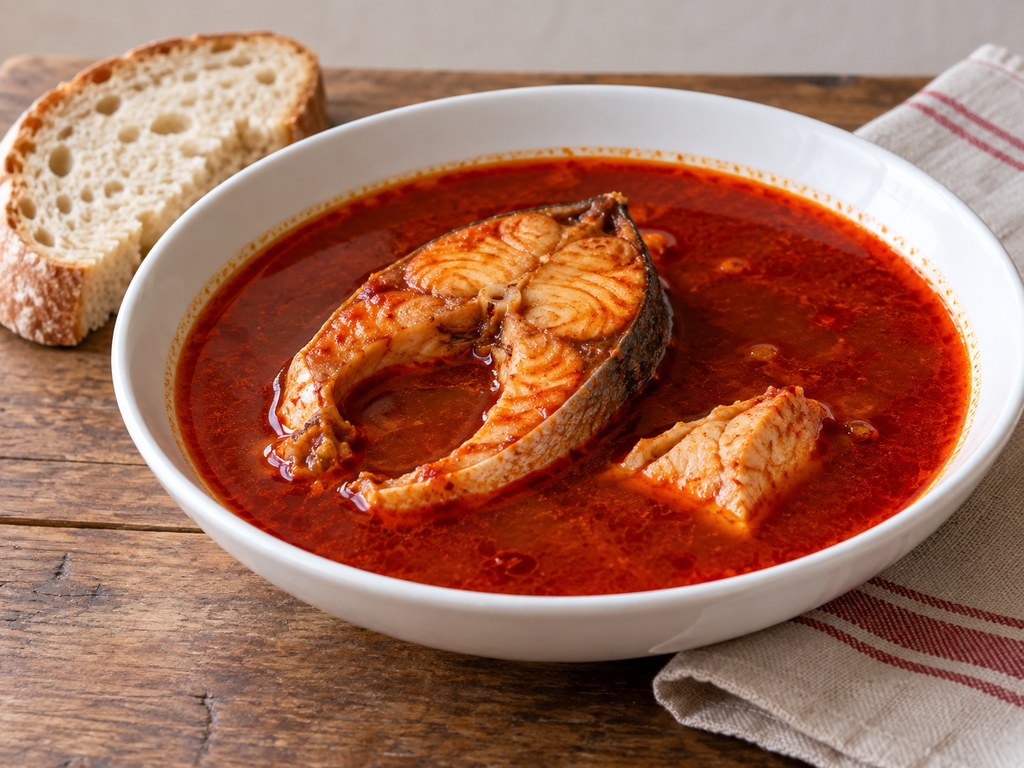
Halászlé is a freshwater fish soup with paprika. Carp appears in many versions, while the fish and preparation differ by region. Szeged and Baja are two names associated with distinct traditions.
It gives you another direction to explore after beef stew and chicken. Ask which fish is being used and how it is served. This is a dish to recognize on the menu, rather than one we are attaching a personal restaurant rating to here.
5. Főzelék: thick vegetable dishes
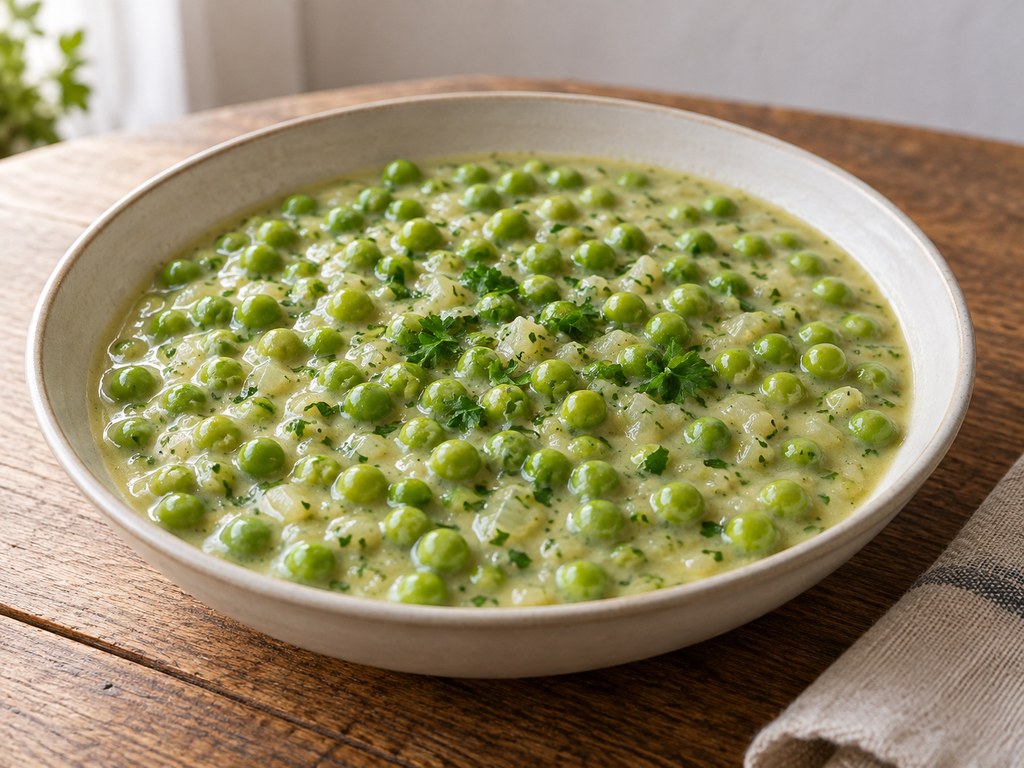
Főzelék is a whole family of thick vegetable dishes, rather than a single recipe. Peas, lentils, potatoes and spinach are among the possible starting points. Think of vegetables served in a thickened sauce, with the final character depending on the vegetable and whatever is added on top.
It is a useful word to know when you want to look beyond meat-heavy restaurant classics. A vegetable base does not by itself guarantee a vegetarian meal: ask about the stock, cooking fat and toppings.
6. Rakott krumpli: layered potatoes, sausage and sour cream
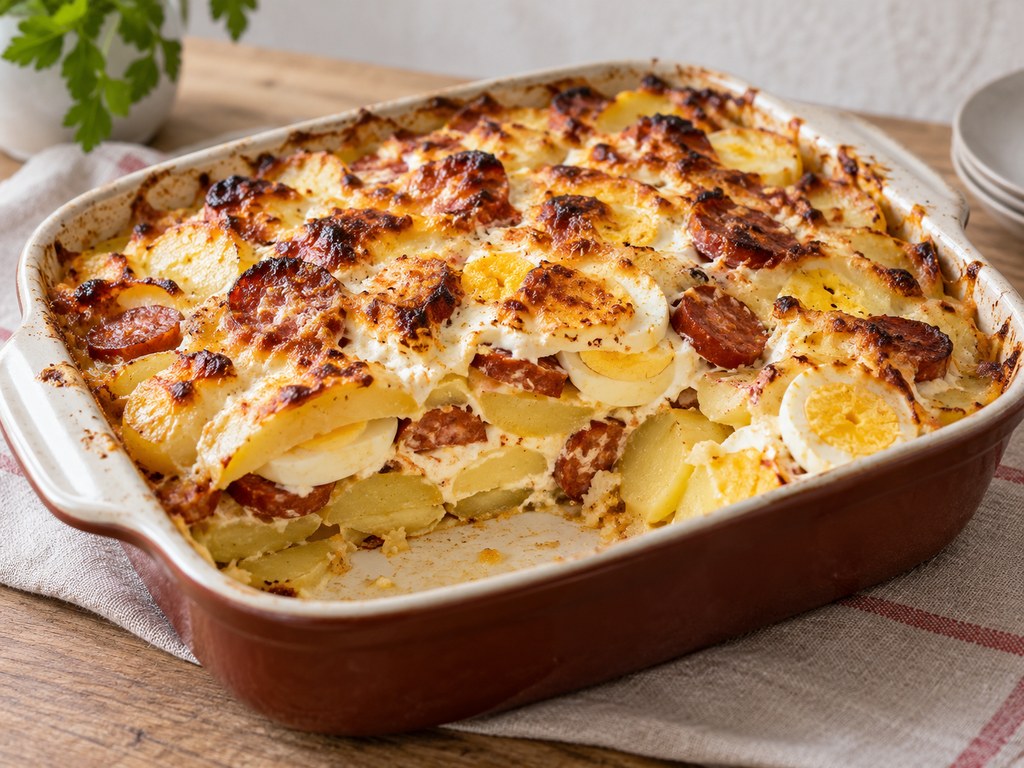
Rakott krumpli stacks potatoes, eggs, sausage and sour cream into a baked dish. The appeal is in the layers: soft potato, egg, sausage and cream coming together in the same forkful.
Do not mistake it for a plain potato side. This is a substantial dish in its own right, and a useful name to keep in mind when exploring Hungarian home-style cooking.
7. Tócsni: potato fritters, with regional variations
Grated potato is the starting point for tócsni, also associated with regional names such as lapcsánka. Recipes can include flour, egg, garlic or onion. It is different from lángos: here the potato, rather than a sheet of yeasted dough, defines the dish.
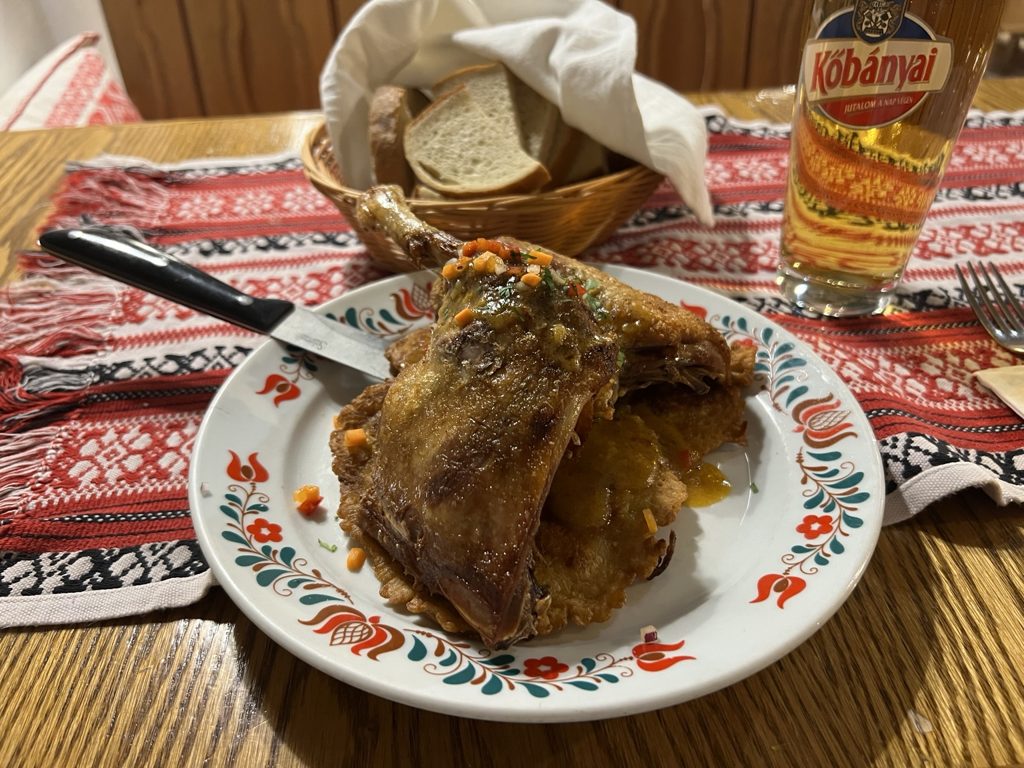
At Pipa Étterem, we encountered káposztás tócsni, a cabbage-and-potato preparation underneath roast duck. We liked its soft texture, along with the duck’s crisp skin. The meat itself was firmer than we wanted; we would have preferred a juicier result. The accompaniment was one of the best parts of that plate.
Hungarian street food: start with lángos
8. Lángos: fried dough, garlic, sour cream and cheese
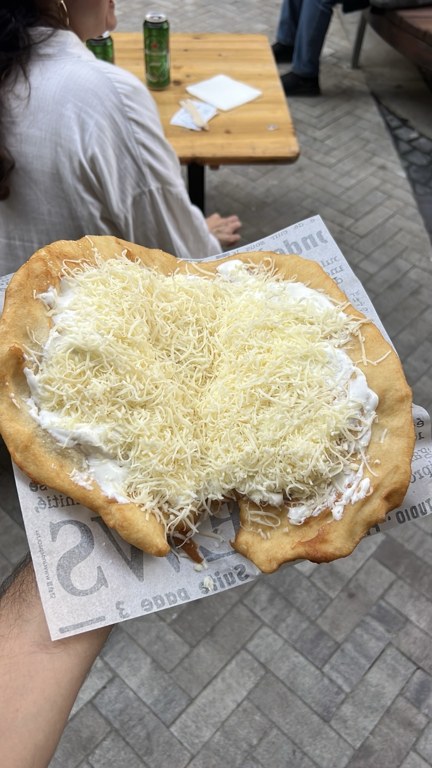
A broad round of yeasted dough goes into hot oil, then comes out ready for toppings. The classic combination is garlic, sour cream and grated cheese. Look for a crisp exterior, a soft interior and toppings that complement the dough.
We tried two versions at Krumplis Lángos: the classic and another with sausage and red onion. We liked the tang of the sour cream and the garlic, and found the dough less oily than we had expected.
At Langos Papi, we ordered the classic again. The dough was wider, with thinner edges curling upward, and the garlic balance suited us particularly well. Of the two places we tried, we preferred Langos Papi. That is a comparison of our two visits, not a claim to have eaten every lángos in Budapest.
For a first order, we would keep it classic. Garlic, sour cream and cheese give you plenty to taste before adding sausage or other toppings.
For more addresses across the city, explore Best Lángos in Budapest: 7 Places to Try, with suggested orders, dated prices and directions.
Read our full Langos Papi Budapest review for our visit photos, the classic lángos we ordered and our comparison with Krumplis.
Hungarian desserts and pastries to know
9. Kürtőskalács: chimney cake
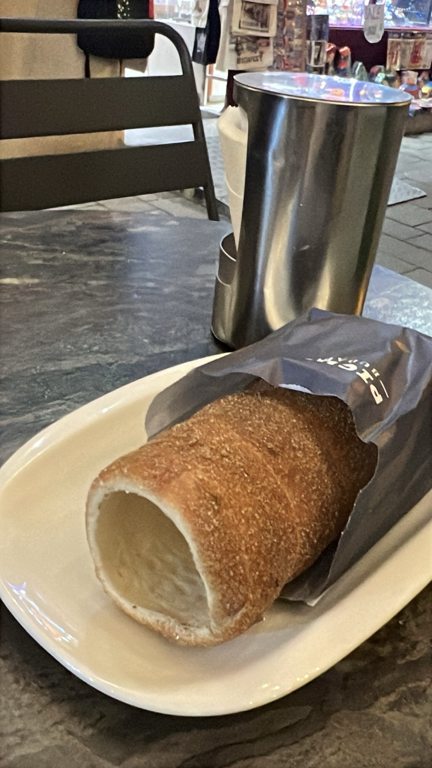
Strips of sweet yeasted dough are wrapped around a cylindrical mold, coated in sugar and baked while turning. Once the mold is removed, a hollow spiral remains, with a caramelized exterior. Pull a piece from the edge and the cake starts to unwind in your hand.
At Pichler Chimney Cake & Gelato on Váci utca, we ordered cinnamon-sugar and pistachio versions. They were baked after we ordered and took about eight minutes on our visit. We chose neither filling nor ice cream, so we could concentrate on the warm dough and its coating.
Read our full Pichler Budapest review for the cinnamon-and-pistachio comparison, original visit photos and receipt.
The pistachio version tasted less sweet to us than the cinnamon-sugar one. That is a tasting impression, not a claim that it contained less sugar. For a first chimney cake, an unfilled version is a good way to get to know the pastry itself.
10. Gundel palacsinta: walnut pancakes with chocolate sauce
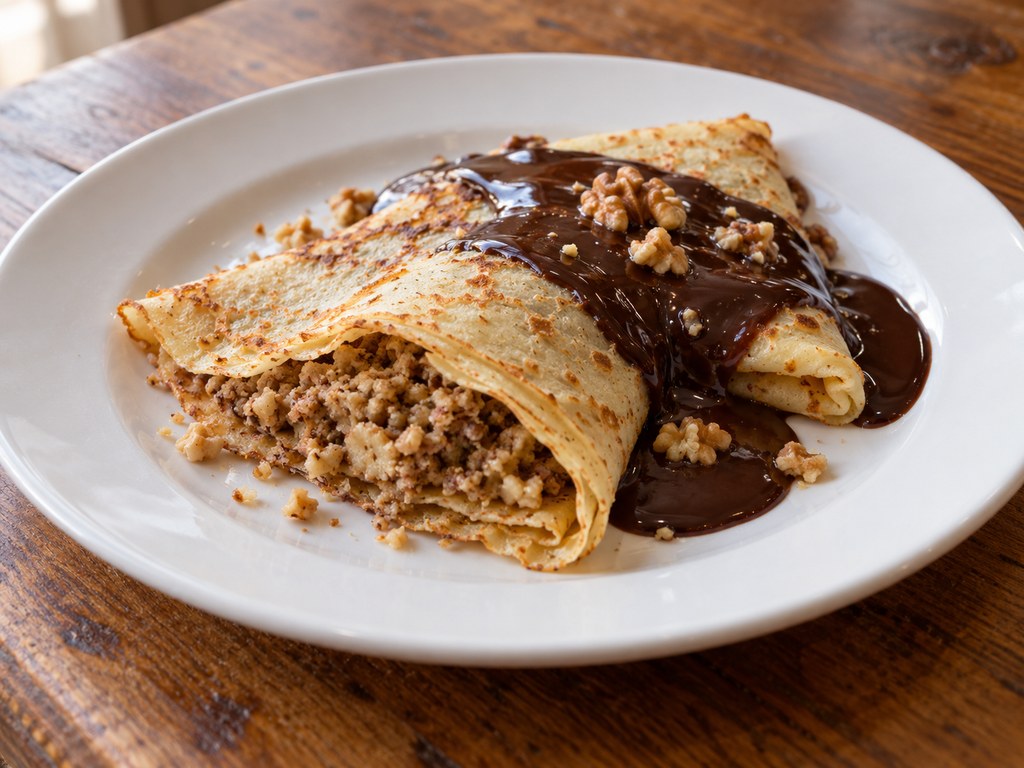
Palacsinta means a thin pancake or crêpe. The Gundel version combines a walnut-and-rum filling with chocolate sauce. It is a dessert to look for when you want to finish a restaurant meal with something different from a slice of cake.
11. Túrógombóc: sweet curd-cheese dumplings
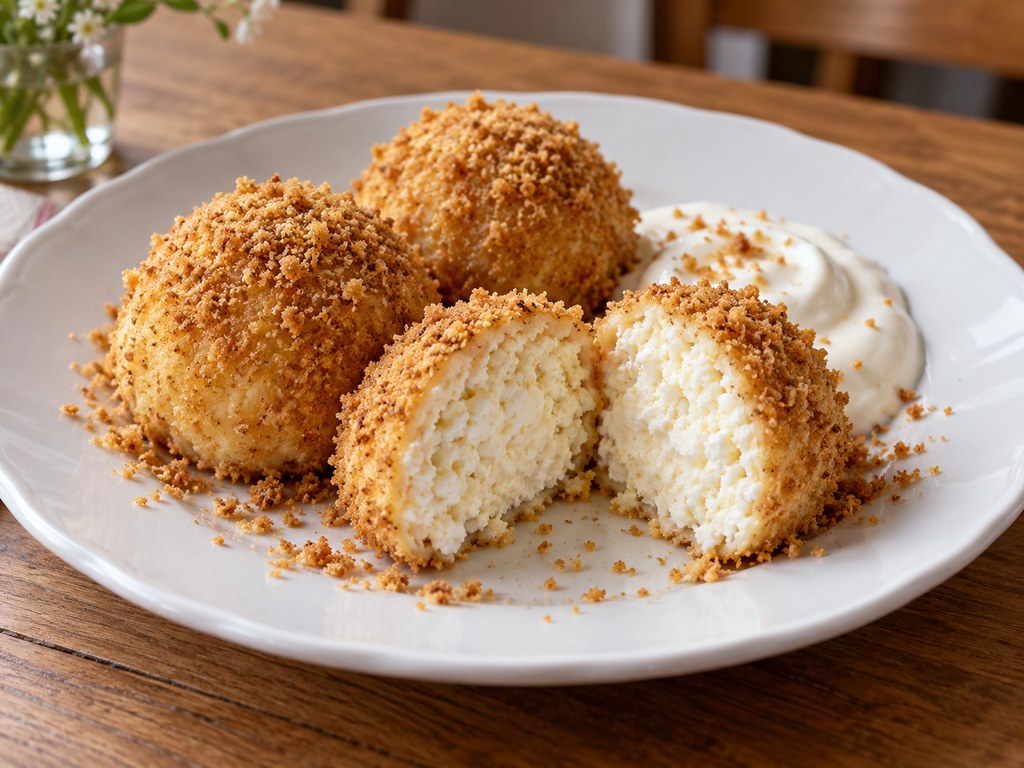
These soft dumplings use fresh curd cheese and may arrive with sweetened sour cream. If chocolate cakes and caramel toppings feel too rich, their dairy-led flavor offers another direction. Ask how the kitchen serves them; accompaniments vary.
12. Somlói galuska: sponge cake by the spoonful
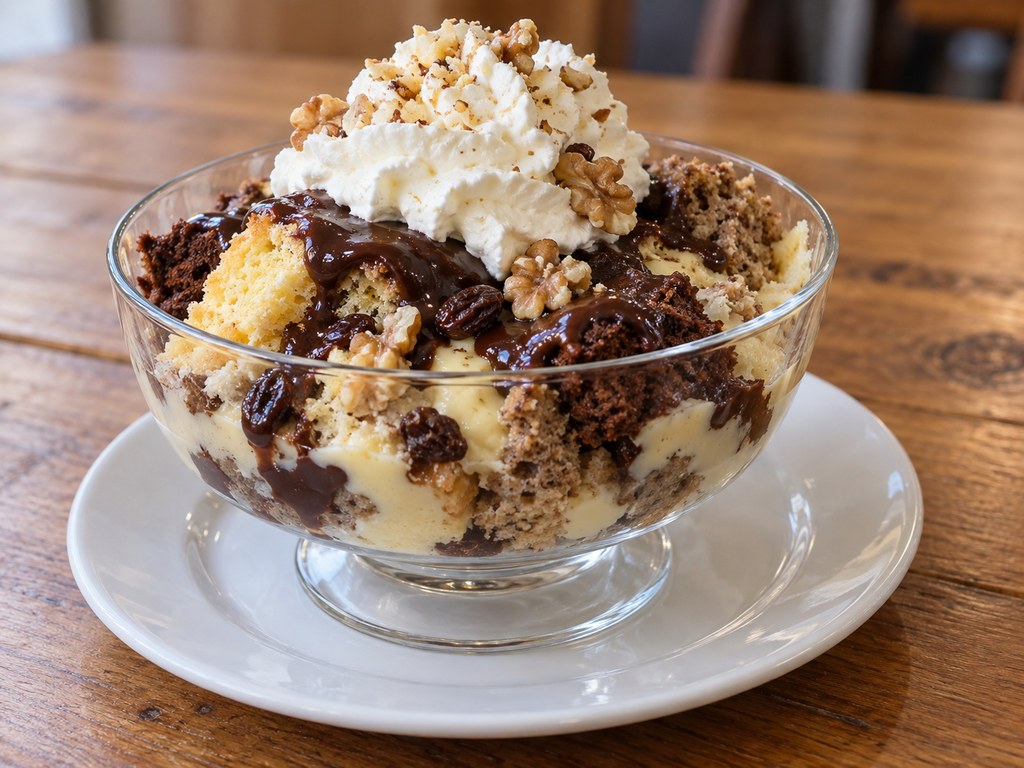
Somlói galuska brings together sponge cake, chocolate sauce, cream and walnuts, with rum-soaked raisins in classic versions. Expect a spoon dessert rather than a neatly cut slice.
We saw it on the menu at Frici Papa but were too full to order dessert. It belongs on the guide as a Hungarian classic, with our own tasting still to come.
13. Dobos torta: chocolate layers and a caramel top
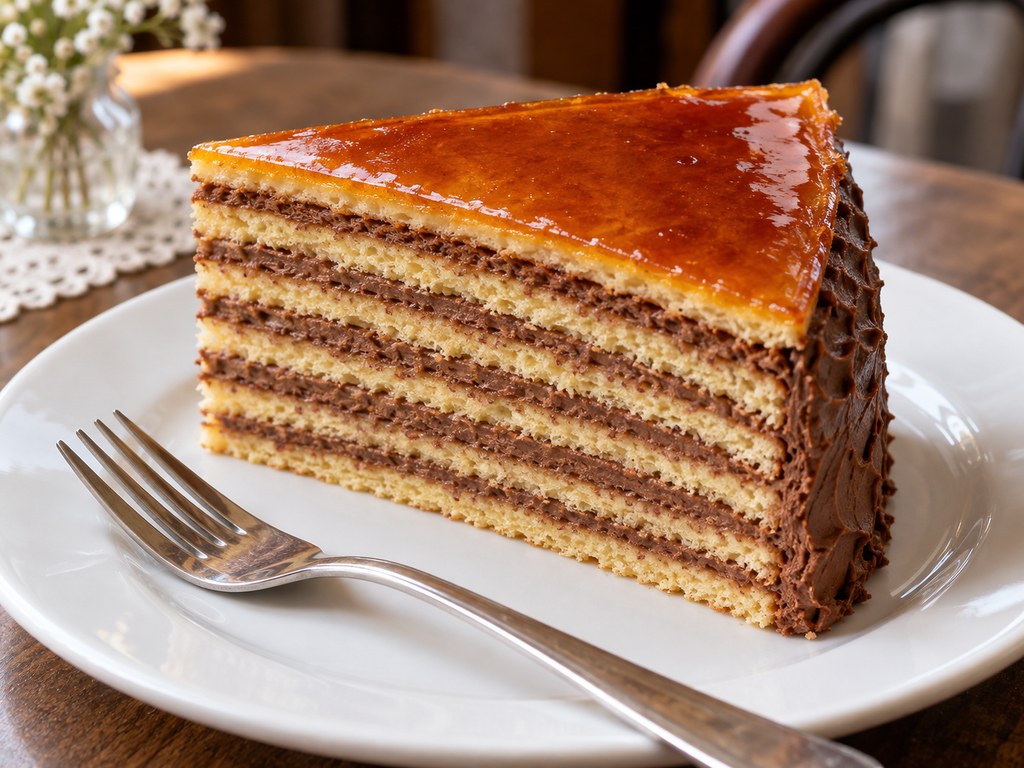
Thin sponge layers alternate with chocolate buttercream beneath a hard caramel cap. The contrast between the firm top and softer layers is what makes Dobos easy to remember. It is a straightforward choice when you want a recognizable Hungarian cake with your coffee.
14. Esterházy torta: nutty layers and patterned icing
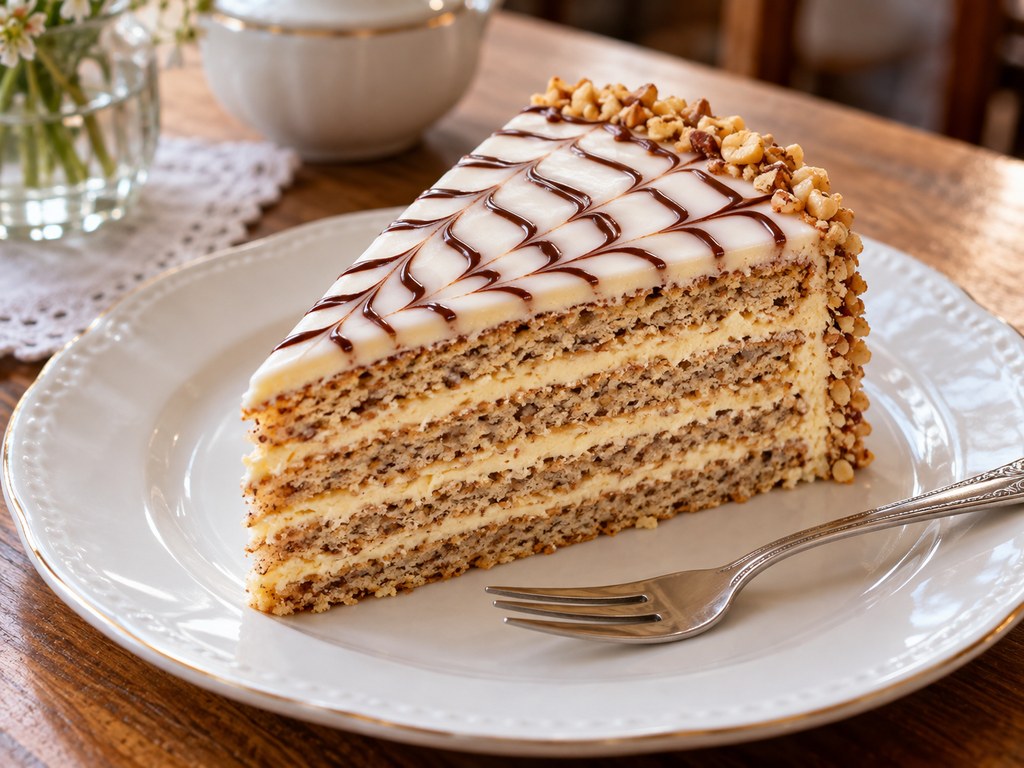
Esterházy is the pale-topped cake with the distinctive dark pattern across its icing. Nut-based layers and cream form the body of the cake; the particular nuts and recipe can vary. Look at it beside Dobos and the two offer very different starting points for a pastry-counter decision.
15. Zserbó: walnut, apricot and chocolate

Also seen as a “Gerbeaud slice,” zserbó combines layers of dough with walnuts and apricot jam under a chocolate coating. The jam gives the nuts and chocolate a fruit component, making this a useful option when you want more than chocolate alone.
16. Rétes: Hungarian strudel
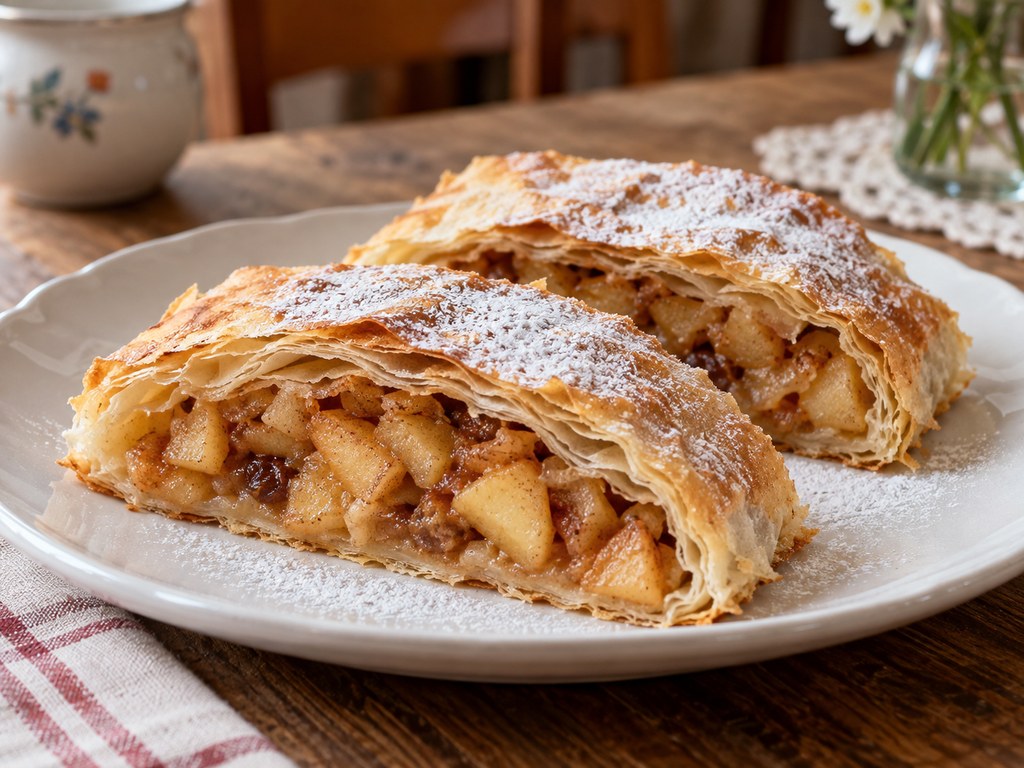
Rétes wraps a filling in thin pastry. Apple, sour cherry, poppy seed and sweet curd cheese are among the varieties to look for. Start with a fruit you enjoy, or choose poppy seed or cheese to explore a different side of the same pastry tradition.
Beyond the chimney cakes described above, these dessert entries are menu guidance rather than accounts of sweets we ate on this trip.
What to look for at a Hungarian food market
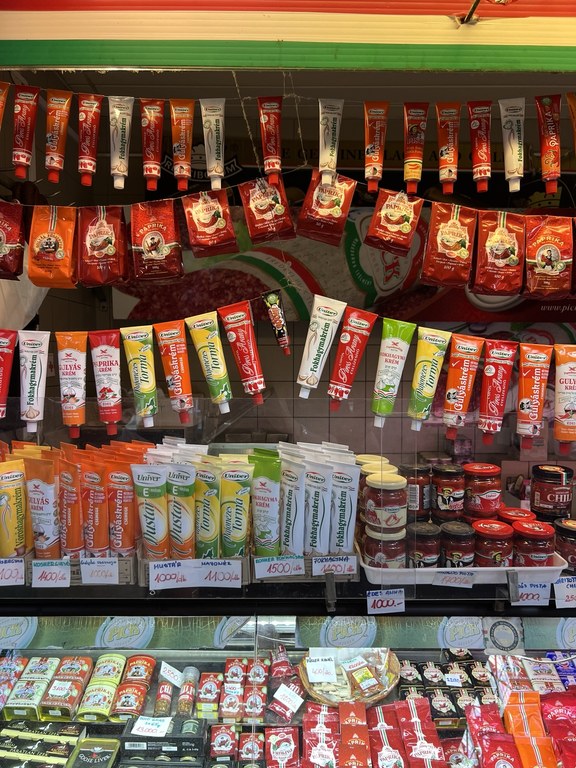
17. Paprika: powder, paste and plenty of choice
At Budapest’s Central Market Hall, paprika followed us from the spice shelves to the sausage stalls. We saw powders, pepper pastes in jars and squeezable tubes, and even paprika-shaped souvenir magnets.
Sweet, hot and smoked describe different things. Sweet paprika gives pepper flavor without the same heat as a hot variety; smoked paprika describes a smoky character, not a fixed level of heat. Read the label instead of judging by the red color.
Piros Arany and Erős Pista are names you may encounter among pepper products. Powder and paste are different ingredients, so check the contents and salt level before treating them as interchangeable. For a food souvenir you can actually cook with, paprika is an obvious place to begin.
18. Tepertő: pork cracklings
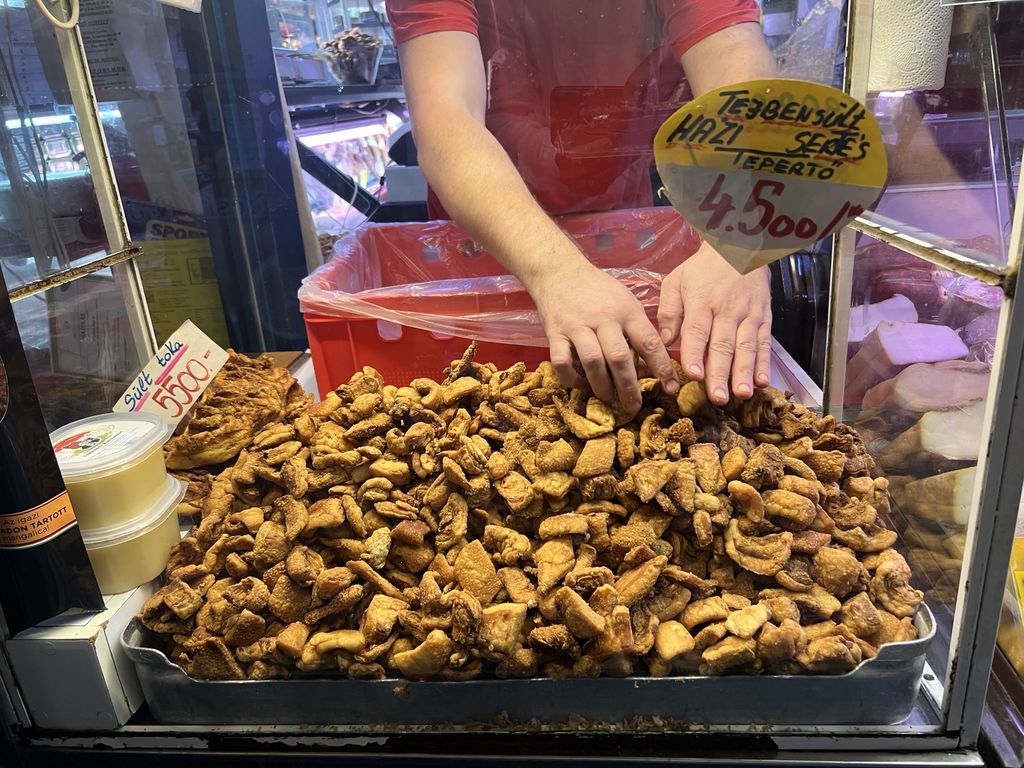
Tepertő, also called töpörtyű, consists of browned pieces left after fatty pork tissue is cooked to render out the fat. “Pork cracklings” is a useful English description; “fried pork skin” is too narrow for every version.
We bought 100 grams to try at Central Market Hall, and even that felt like a lot. The fatty mouthfeel became heavy and repetitive when eaten on its own. We would approach it in a small portion, perhaps alongside a beer. Something acidic might have helped the balance, but that was our thought afterward, not an accompaniment we were served.
19. Hungarian sausages and winter salami
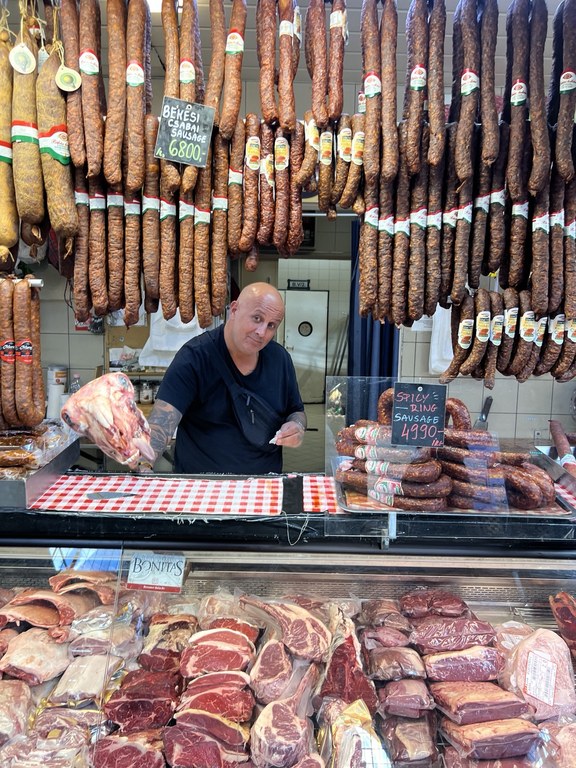
The range of meat labels at Central Market Hall caught our attention: pork, wild boar, rabbit, horse and deer all appeared. Seeing those products is different from tasting them, and we did not sample the entire display.
Kolbász is a useful sausage word to recognize. Téliszalámi, or winter salami, is another product to look for: traditional examples are smoked and matured, with a characteristic white mold covering. We bought winter salami during the trip, but have not attached a tasting verdict to that purchase.
Check the producer, meat, weight and storage instructions. Similar-looking packages do not necessarily contain the same product, and a large “original” sign tells you less than the label.
What to drink with Hungarian food
20. Hungarian beer
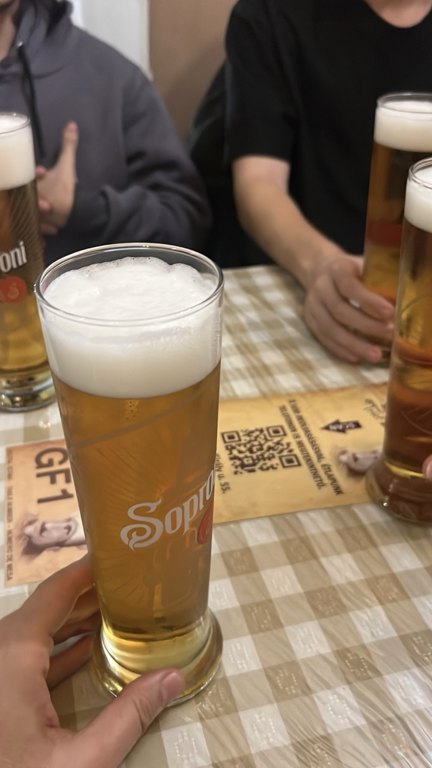
We drank Soproni Ászok with our meal at Frici Papa and Kőbányai with the duck at Pipa Étterem. Those are our starting points from this trip, rather than a ranking of Hungary’s beers. Dreher, Arany Ászok and Pécsi are other names to recognize as you explore.
Unicum: a bitter finish
Our Unicum guide covers its herbal character, alcohol content and serving suggestions, alongside our Frici Papa tasting notes.

Unicum is a Hungarian herbal liqueur, often served as an after-dinner drink. We tried it at Frici Papa and found its bitter flavor forceful and long-lasting. It reminded us of licorice and Jägermeister, and was strong enough on our palate to overwhelm the flavors of the meal that preceded it.
If you enjoy bitter herbal drinks, it is a name to know. Our own reaction was more cautious than enthusiastic.
Hungary food prices: examples from our Budapest trip
These are specific September 2026 visit records, not a countrywide price range or a current menu guarantee. HUF is the Hungarian forint; menus also use “Ft.”
| Item and place | Recorded price | Source of the price |
|---|---|---|
| Classic lángos, Langos Papi | 2,600 HUF | September 2026 visit menu |
| Classic lángos, Krumplis | 3,000 HUF | September 2026 visit menu |
| Cinnamon-sugar chimney cake, Pichler | 2,200 HUF | Receipt dated September 29, 2026 |
| Pistachio chimney cake, Pichler | 2,900 HUF | Same receipt |
| 50 cl Soproni Ászok, Frici Papa | 1,299 HUF | Menu filmed during our visit |
Check the latest menu before you go. Also check whether a side dish and service charge are included. At Pipa, our bill included a 10% service charge; that observation belongs to that bill, not to every restaurant in Hungary.
How we would choose our first few meals
For a short visit, we would begin with goulash to share and a plate of pörkölt with nokedli. At another meal, we would order a classic lángos, giving the garlic, sour cream and dough our full attention. A warm, unfilled chimney cake would be our sweet stop.
Then we would make time for the market. Seeing paprika, pepper pastes, sausages and salami side by side connects the ingredients to the plates. Our Budapest visits shaped these choices; they are a starting point for exploring Hungary, not a claim to have covered the whole country.
Hungarian food: frequently asked questions
What food is Hungary famous for?
Goulash, pörkölt, chicken paprikash and lángos are good starting points. For sweets, look for chimney cake, Dobos torta and rétes. Paprika and Hungarian sausages are also central names to recognize.
Is Hungarian goulash a soup or a stew?
On a Hungarian menu, gulyásleves is a soup with meat and vegetables. Pörkölt is the thicker meat dish. The English word “goulash” is used more broadly outside Hungary, so read the menu description rather than relying on the translation alone.
Is Hungarian food spicy?
Not all of it. Paprika can be sweet or hot, and a red sauce is not proof of strong heat. Ask about the particular dish and any hot pepper condiments served with it.
What can vegetarians eat in Hungary?
Meat-free lángos toppings and vegetable-based főzelék are useful places to start. Confirm the dough, frying fat, stock and toppings with the kitchen. Cheese and sour cream are common, so vegetarian and dairy-free requests need different questions.
What can you order if you do not eat pork?
Beef goulash or pörkölt, chicken paprikash and fish dishes may be options. Confirm the meat, stock, sauce and cooking fat before ordering; a dish name alone does not establish its full ingredients.
What food should you bring home from Hungary?
Paprika powder and pepper pastes were among the most interesting products we saw. Read storage instructions and, for meat or dairy purchases, check the destination country’s import requirements before packing them.
Where to eat these dishes in Budapest
Shopping for Hungarian charcuterie? Our guide to winter salami, or téliszalámi, covers the labels and products we encountered in Budapest.
For a closer look at the spiral-shaped pastry, read what chimney cake is and how to eat kürtőskalács.
Our chicken paprikash guide explains the creamy paprika sauce, chicken cuts and nokedli served alongside.
For a rich main course, our guide to pörkölt explains Hungarian paprika stew and the menu terms to look for.
For help reading the menu, see What Is Hungarian Goulash?, our guide to gulyás soup and how it differs from pörkölt.
Before your first fried-dough stop, read What Is Lángos? for the classic garlic, sour cream and cheese combination and our ordering tips.
For ingredients to take back to your kitchen, explore our Central Market Hall Budapest guide, with paprika shelves, charcuterie counters and food-shopping notes from our visit.
Read our full Krumplis Lángos review for our classic and sausage orders, visit photos and menu prices.
For specific dishes, explore Where to Eat Goulash in Budapest: 9 Places to Try and Best Chimney Cake in Budapest: 7 Places to Try, with photos, ordering notes and directions.
Ready to choose a restaurant, street-food stop or café? Read Where to Eat in Budapest: Our Tried-and-Tested Food Guide for our visits to Frici Papa, Langos Papi, Pichler, Bageri and more.


Pingback: Where to Eat in Budapest: 9 Places We Tried
Pingback: Best Lángos in Budapest: 7 Places, Orders and Prices
Pingback: Langos Papi Budapest: Our Review, Order and Visit Prices
Pingback: Where to Eat Goulash in Budapest: 9 Restaurants & Prices
Pingback: Best Chimney Cake in Budapest: 7 Kürtőskalács Stops
Pingback: Frici Papa Budapest: What We Ate and What to Order
Pingback: Central Market Hall Budapest: What to Buy and Eat
Pingback: What Is Hungarian Goulash? Gulyás Soup vs Pörkölt
Pingback: Where to Eat in Rio de Janeiro: Our Food Guide